


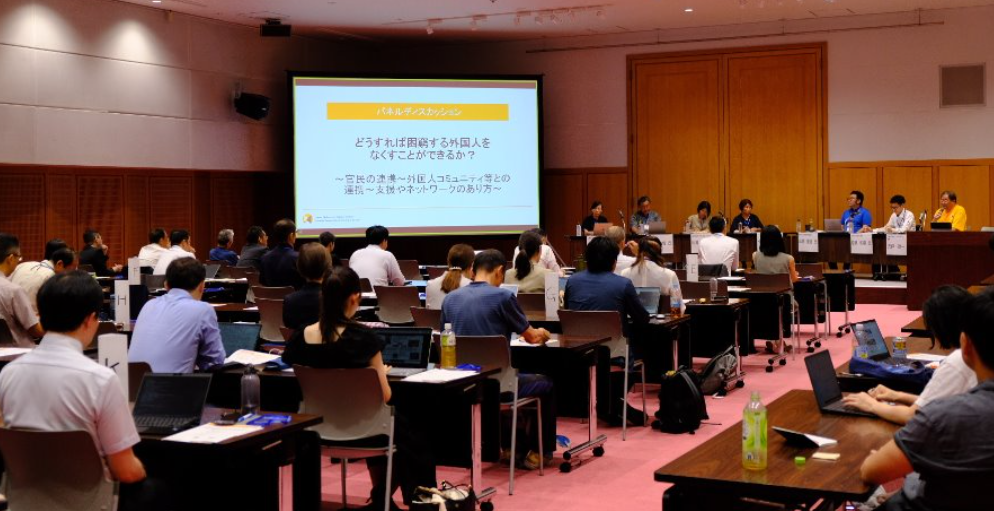
Approximately 80 people attended the JP-MIRAI First Half Member Forum held on July 4. The first part of the forum, themed on the current status and issues of safety nets for the rapidly increasing number of foreign workers, featured five speakers who are involved in supporting foreign nationals throughout Japan and the Immigration Agency.
■Click here for Part II report.
Jiho Yoshimizu, Nichi-Vietnam Tomoiki Support Group
“Challenges and Possibilities Seen from the Field – What is Responsible Acceptance?
The organization is engaged in activities to protect the lives and human rights of Vietnamese technical intern trainees and foreign students, and is engaged in multifaceted efforts such as SNS counseling, livelihood support, maternity support, Japanese language education, and support for returning to Japan. Cooperation among various support groups and multidisciplinary cooperation are essential to support those who are isolated between systems. With the increase in the number of family members accompanying people under the Specified Technical Skills II program, nationwide coordination of support is necessary. Currently, even when consultations are received via SNS, the response in each region has not kept pace, and there are many blank zones of support. It is necessary to have a system that does not crush the budding of young support groups and also encourages them financially. In addition, it is important to use tools that young foreigners use, such as TikTok, because videos are easier to reach young foreigners than paper information. In order to prevent isolation and realize a society where people can live in peace, it is important to build a platform that connects support groups.
Presentation materials
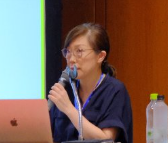
Mr. Kazuyoshi Akagi, MDST (Multicultural Diversity/Disaster Support Team)
“Support for Foreign Residents to Date: Case Studies of Consultation and Support
In cooperation with the government and the local community, the center provides consultation services for a wide variety of issues, including the impoverishment of foreign residents, domestic violence, childbirth, and difficulties in returning to their own countries. The key to support is a presence that transcends language and cultural differences and is close to the heart, and support like a “temple” rooted in the community is needed. There are many issues that cannot be resolved by the local community alone, and careful explanation to local residents is essential in supporting foreign residents. while utilizing AI translation and multilingual support, cooperation with the government, welfare committee members, and community support workers will strengthen the support system. It is also important to consider how to provide support to both assimilated and independent coexistence styles. In addition to institutional barriers, cultural distance and differences in position can be barriers to consultation. In the future, new ways of collaboration in which we support each other will be questioned.
Presentation materials
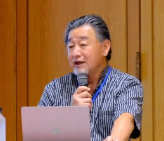
Ms. Marie Matsuoka, Hamamatsu International Communication Center (HICE)
“The Current State of the Safety Net for Foreign Residents: A Report from Hamamatsu”
Hamamatsu City has been promoting multicultural city planning with foreign residents for 35 years. The International Association of Japan, commissioned by Hamamatsu City, is engaged in multifaceted activities such as multilingual consultation, Japanese language education, mental health support, and educational programs for the host community. From the perspective of a safety net for foreigners, the association is also consciously working to thicken the safety net by fostering a community of foreigners who can help each other through social work training and life stage lectures for foreigners. However, the foreign community cannot be overly dependent on them, and there are limits to what they can do. In terms of safety net, we believe that it is necessary to have social workers with foreign roots who understand the culture, language, and social backgrounds of foreign residents work as social workers in public assistance programs such as city and international exchange association programs, and we are also training these workers.
Presentation materials
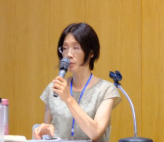
Ms. Tomoko Matano, World Friends Amakusa
“Current Status and Issues of Safety Net for Foreigners
As the only support group for foreign residents in Amakusa City, it offers community-based support activities such as employment support, Japanese language classes, and consultation services. There are various issues such as inconvenient transportation, lack of specialized agencies, and lack of privacy due to the small community, and serious consultations such as economic deprivation, social isolation, domestic violence, and underage pregnancy are increasing. Due to the wide area, there are many situations that are difficult for the government alone to deal with, and sometimes accompanying support is required. In the course of attending to the problems of foreign residents, it has become clear that Japanese people are also suffering from the same problems. In fact, there have been cases in which employers have reported their concerns to the government, and foreign residents have been able to move into municipal housing. One of the reasons for foreigners to change jobs in the city is loneliness, and it is important to create a place where they can naturally laugh with each other in the community. The first step toward symbiosis is to tell Japanese people that “foreigners are not dangerous” and to deliver to foreigners that “we want to help. It is important not to separate foreigners and Japanese, but to support them as citizens of the same community.
Presentation materials
Mr. Kenzo Yamaji, Wajima City Council of Social Welfare
“Watching over and Counseling Support in Wajima City including Foreigners in the Noto Peninsula Earthquake”
In Wajima City after the Noto earthquake, community support is progressing, including for foreign residents. Amid the aging of the population and the outflow of population, technical intern trainees and others are supporting the community while living in temporary housing. Through cultural events and surveys, the city has come to realize that foreign residents are a source of energy for the community. In the future, the consultation system and provision of information must be strengthened. In a community where there was no consultation service, we are working to develop a system to prevent isolation by emphasizing the building of relationships with people and collaborating with community welfare committee members and senior citizen clubs. We believe that face-to-face relationships and daily greetings are the first step toward coexistence. In a society where the recruitment of foreign nationals is indispensable, it is necessary to develop social infrastructure for Japanese language education, consultation systems, and information provision. In an area with a declining population like Noto, we aim to increase the number of people interacting with each other and expand the circle of support by utilizing dormant bank deposits and the power of people with experience in JICA overseas cooperation corps.
Presentation materials
Mr. Kazuki Matsuse, Residence Support Division, Immigration Bureau of Japan
“Current Status and Issues of Safety Net for Foreigners
As part of its efforts to improve the environment for welcoming foreign residents, the Immigration and Residency Management Agency is strengthening its information provision functions by assigning officers in charge of coordinating the environment for welcoming foreign residents, supporting the establishment of a network of supporters for foreign residents, and providing information through a portal site for supporting foreign residents’ daily lives and a guidebook for living and working in Japan.
In particular, with regard to support for building a network of supporters for foreign residents, the government is promoting the establishment of an environment in which foreign residents can live and work with peace of mind, in cooperation with relevant organizations in each region, centering on the officer in charge of coordinating the environment for receiving foreign residents.
We believe that cooperation with civic groups and foreign communities is indispensable to realize a symbiotic society where both Japanese and foreigners can live safely and securely. However, through this discussion, we reaffirmed that there are issues unique to the region.
We intend to further deepen cooperation with relevant local organizations, accurately grasp the issues on the ground, and link them to the necessary support.
Presentation materials
Summary (Moderator: JP-MIRAI Shishido)
We discussed what we should do in response to the expected doubling or tripling of the number of foreign workers in the future. I think the common point we all agreed on was the need to support foreign residents with psychological safety. To this end, I think it is important to (1) support organizations that directly reach out to the foreign community and provide support and assistance, and (2) build a network among supporters. JP-MIRAI would like to deepen our cooperation with you and promote efforts to create a safety net where no one is left behind.